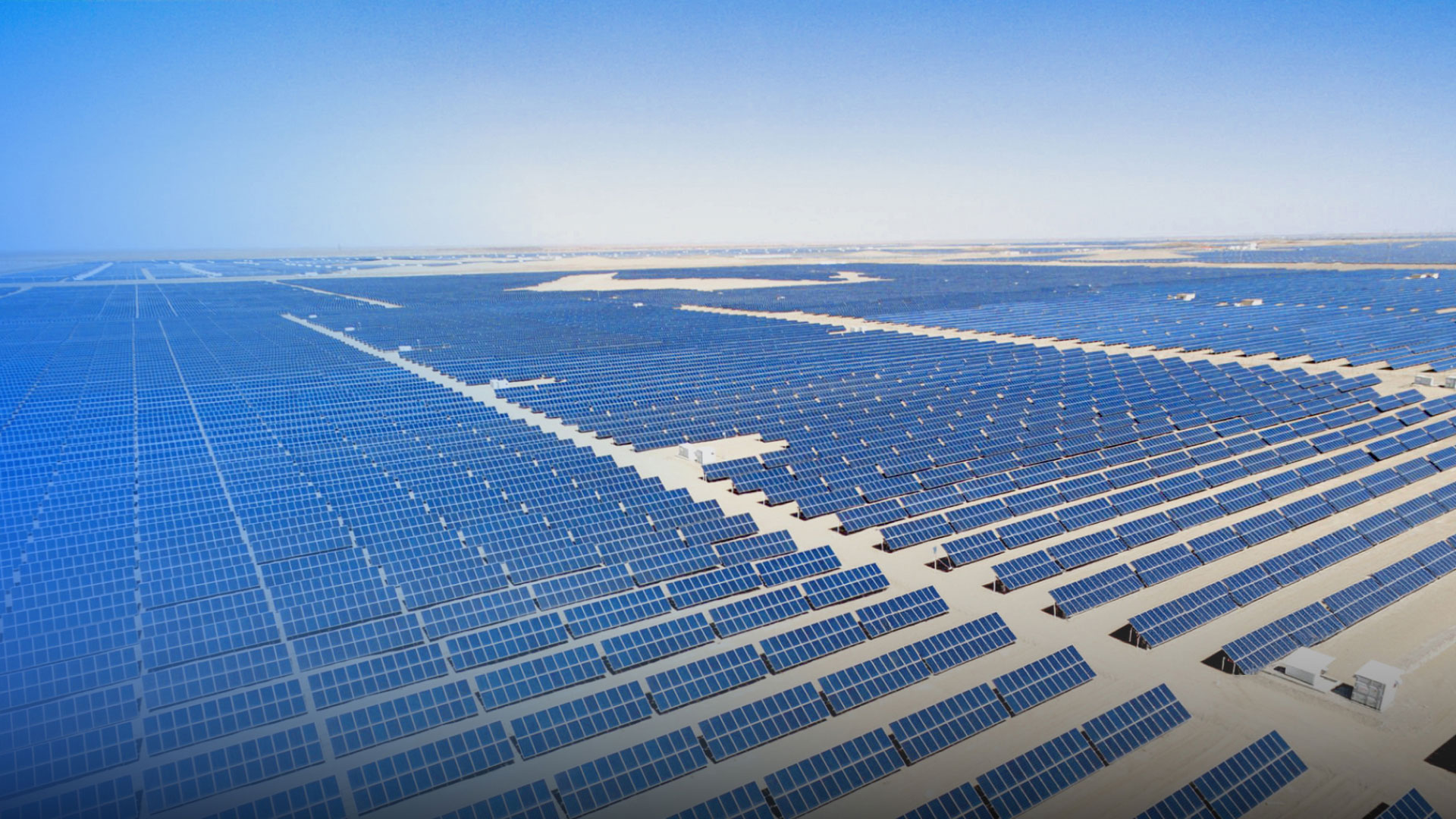
The focus of renewable energy has shifted from "feasibility of construction" to "long-term profitability". In the era of grid parity, a project's value is no longer defined by its scale, but by its full-lifecycle cost, risk management, and operational excellence.




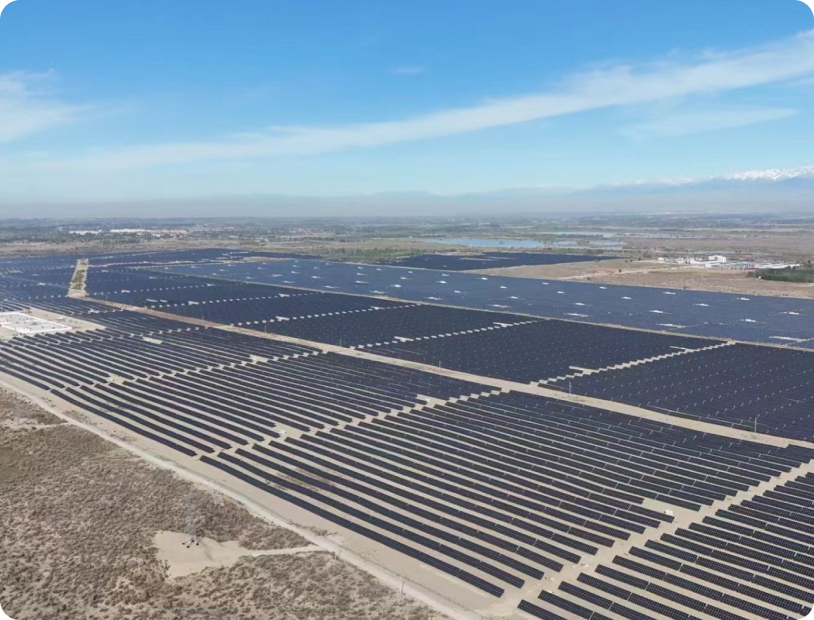
Located in the 63rd Regiment area of the 4th Division of the Xinjiang Production and Construction Corps (XPCC), this project promotes the synergetic development of renewable energy and ecological governance through the construction of a large-scale photovoltaic power plant. Adopting the "PV + Desertification Control" model, the project provides a stable supply of clean power while simultaneously improving the local ecological environment.
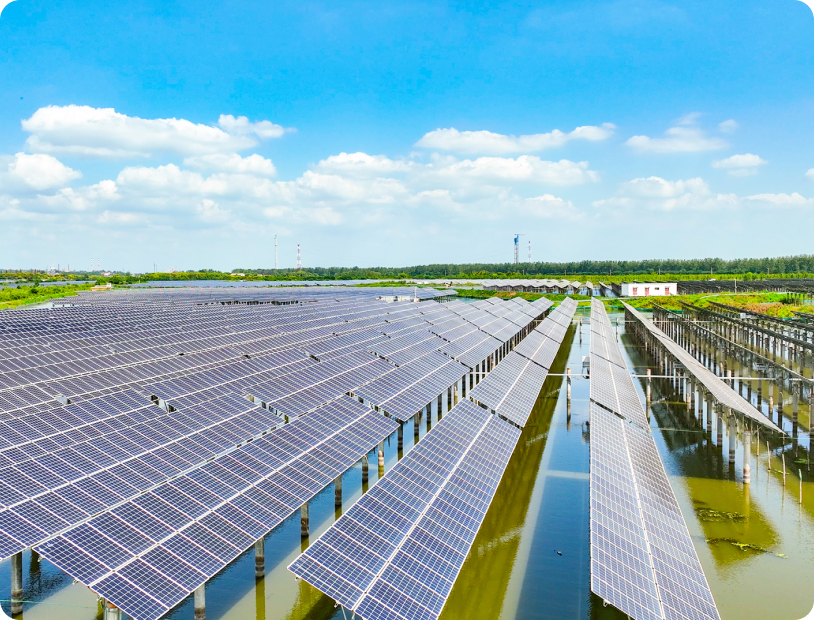
Through the synergetic layout of fishery aquaculture and photovoltaic power generation, this project achieves the seamless integration of agricultural production and clean energy development.
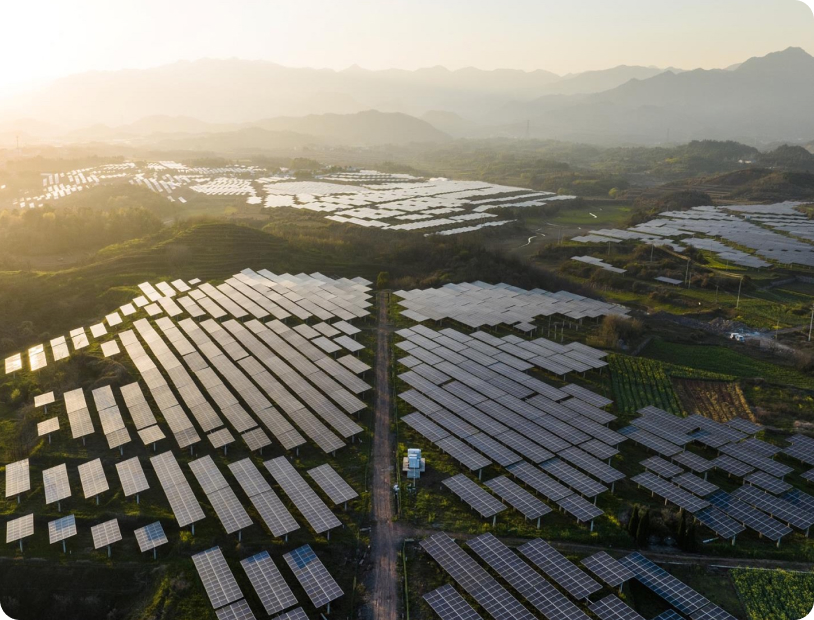
The project generates approximately 79.9 million kWh annually, saving about 10,000 tons of standard coal and reducing CO2 emissions by 60,000 tons and SO2 emissions by over 80 tons per year.
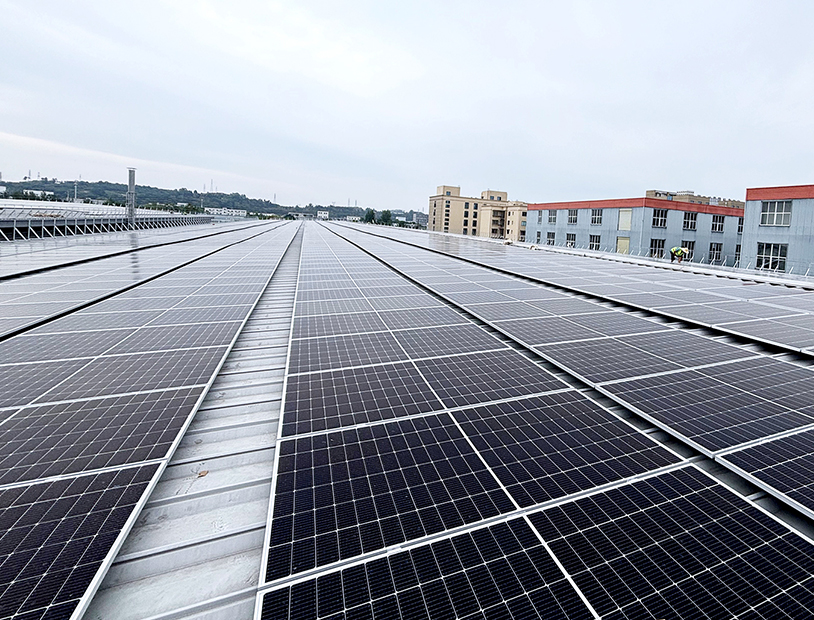
Located in Langzhong, Sichuan, this project installs a C&I rooftop solar system for Xinjia Footwear. It uses a “self-consumption with surplus to grid” model, reducing energy costs while supplying clean power to support the company’s green transition.


