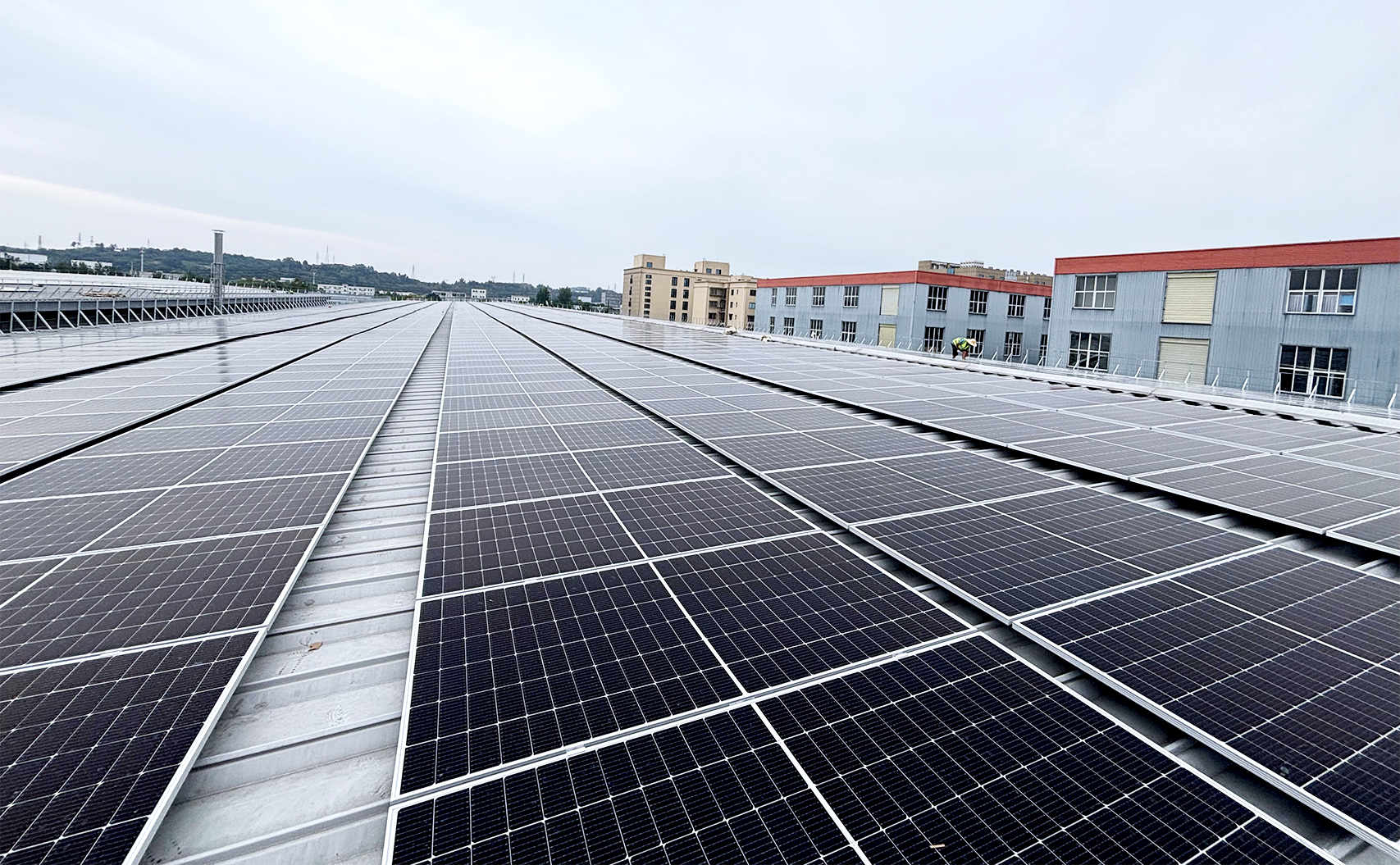
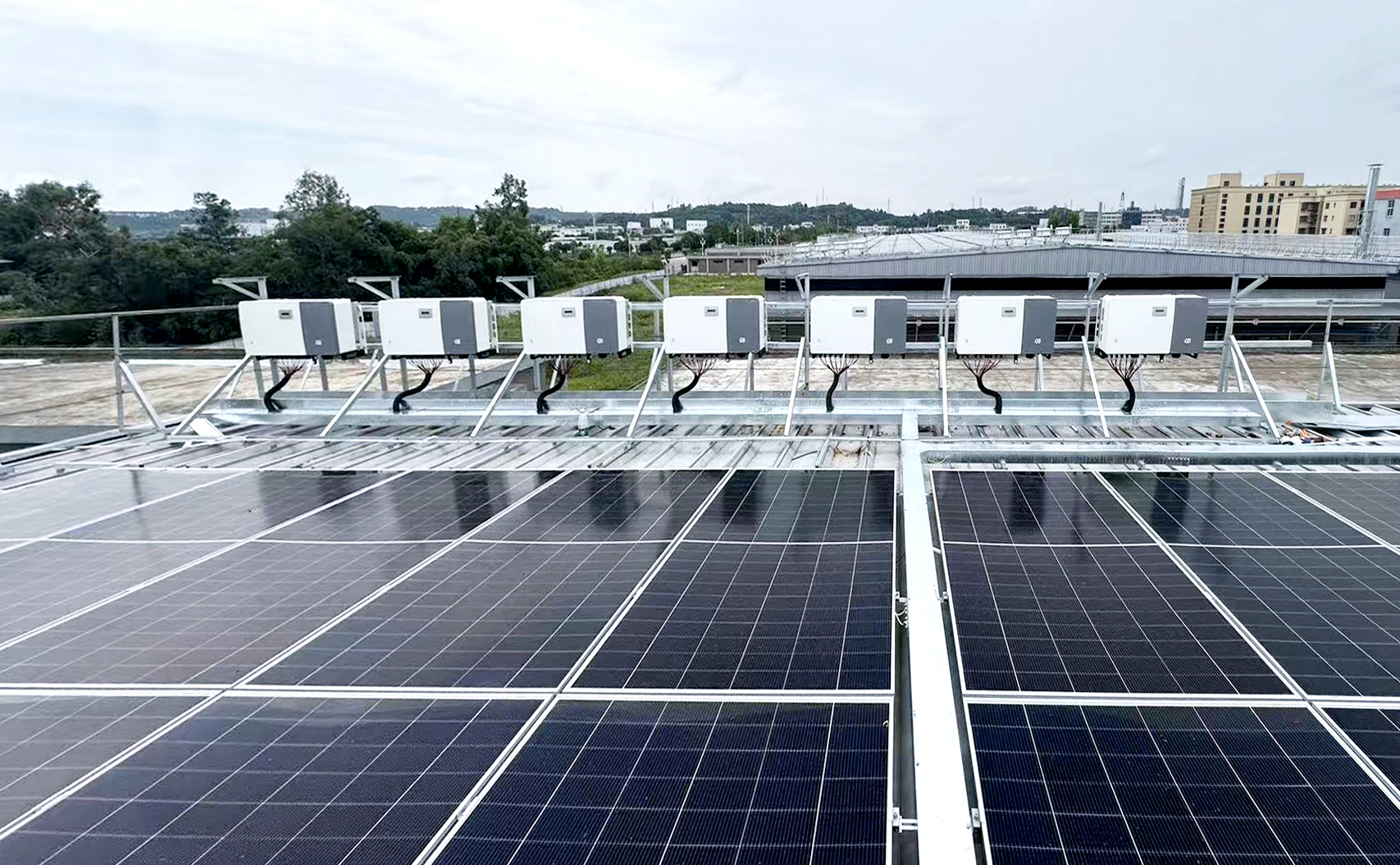
Recently, the distributed photovoltaic power generation project of Sichuan Langzhong Xinjia Shoes Co., Ltd., developed and constructed by Xinfeng Green Energy, was successfully connected to the grid and officially put into operation, continuously providing stable and clean green electricity to the company's production system.
01 Energy Choices in the Context of Manufacturing Transformation
Against the backdrop of continuously fluctuating energy costs in the manufacturing industry and increasingly stringent green compliance requirements, enterprises are re-evaluating the role of energy systems in production and operation—not only must they be stable and reliable, but they must also possess a long-term controllable cost structure.
As a manufacturing-oriented enterprise, Xinjia Shoes possesses typical characteristics of industrial and commercial photovoltaic application scenarios, such as stable electricity load and good rooftop resources. Introducing a distributed photovoltaic system, without affecting the original production rhythm, to achieve on-site consumption of clean energy, has become an important choice for enhancing its overall operational resilience.
02 Systematic Construction Based on Real Production Needs
During the project implementation, Xinfeng Green Energy conducted overall planning and implementation of the photovoltaic system based on the company's actual energy needs.
The project adopts a "self-consumption with surplus power fed into the grid" operation model, prioritizing the company's own electricity needs and reducing reliance on high-priced grid electricity. Simultaneously, surplus electricity is connected to the public grid to generate stable supplementary revenue. During the design and construction phases, the project team, considering the factory's structural conditions and production operation characteristics, implemented meticulous design and construction organization to ensure the safe, stable, and efficient operation of the photovoltaic system and successful grid connection.
03 Quantifiable Green Value and Economic Benefits
The Langzhong Xinjia Shoes Industry Distributed Photovoltaic Project has an installed capacity of 2.968 MWp on the DC side and 2.4 MW on the AC side. Based on the average of approximately 900 hours of effective sunshine per year in Langzhong, the project is expected to generate approximately 2.16 million kWh of clean electricity annually, which can cover most of the company's production and daily electricity needs. After the project is put into operation, it is expected to achieve the following annual benefits: saving approximately 700 tons of standard coal and reducing carbon dioxide emissions by approximately 1,800 tons, equivalent to the carbon sequestration capacity of approximately 100,000 trees. While providing stable clean electricity, it also provides solid support for the company to reduce energy costs and improve its green operation capabilities in the long term.
04 From Single Projects to Long-Term Capability Accumulation
The successful grid connection of the Langzhong Xinjia Shoes Industry Distributed Photovoltaic Project is another successful practice of Xinfeng Green Energy in the field of industrial and commercial distributed photovoltaics. The efficient implementation of the project from planning and design, engineering construction to grid connection and operation demonstrates the company's comprehensive capabilities in project delivery and full-process management, and also sets a replicable model for its business expansion in Southwest China.
In the future, Xinfeng Green Energy will continue to focus on clean energy applications in industrial and commercial scenarios, relying on its mature project development and delivery system to provide more enterprises with safe, reliable, and implementable green energy solutions, promoting the synergistic realization of economic and environmental benefits.